
Mobile: +91 992-500-9739

Tele: +91 79 403-07106

Email: info@newedgeoverseas.com

supply chain

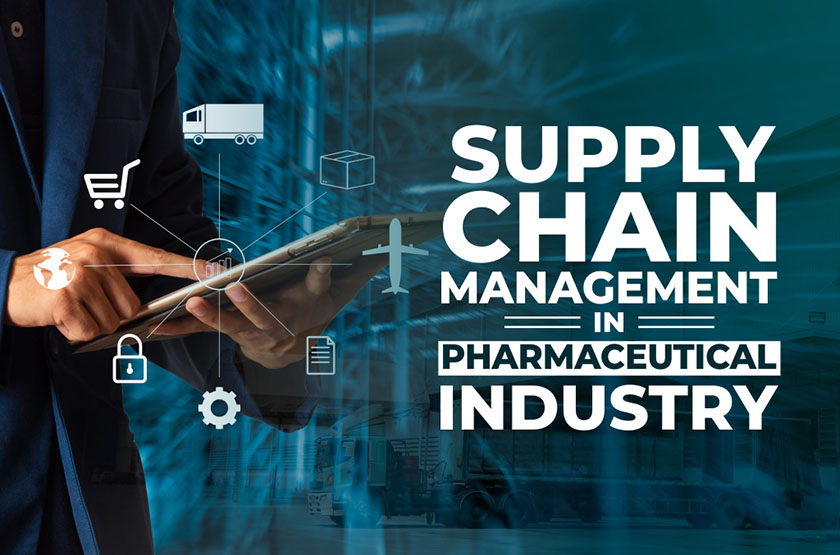
Supply Chain Management in Pharmaceutical Industry

Successful supply chain management is an essential tool for pharmaceutical companies to boost company sales and lower expenses. To provide quality products at a reasonable cost, companies need to maintain an adequate supply chain across the country and globe. Following are some salient pointers on supply chain management:

What is Supply Chain Management?

Supply chain management is defined as a fusion of the processes starting from procuring raw materials, manufacturing of goods to providing finished products to the customers. It is a systematic business model which integrates supply and demands within stakeholders and customers to gain competitive advantages in business. The primary goal of any supply chain management process is enhancing accessibility, quality, and affordability.

supply chain
How does the Supply Chain Work in the Pharmaceutical Industry

The Pharmaceutical supply chain includes multiple government agencies, hospitals, clinics, drug manufacturers, drug distributors, pharmacy chains, retailers, research organizations, and the FDA. As a result, expectations from the supply chain managers in the pharmaceutical industry are very high as drugs supplied inappropriately can damage customer loyalty and public health.  The flow of the supply chain in the pharmaceutical industry can be described in the following steps:

  • The drug product is manufactured at the company site
  • It is transferred to the wholesale distributors
  • Stocked at pharmacies for retail or online purchase
  • Subjected to price negotiations and processed through quality and utilization management screens by pharmacy benefit management companies
  • Dispensed by pharmacies and ultimately taken by patients

supply chain

Challenges of Supply Chain Management

Here are some significant challenges which can hinder the supply chain and should not be overlooked:

  • Maintaining the quality of drugs
  • Timely delivery of products
  • Sustaining the desired temperature throughout the transport for particular drugs
  • Inventory and warehouse management
  • Order and shipment management
  • Taking care of expiry of products
  • Managing the delivery of drugs during any shortage

Digitalisation as per the current needs

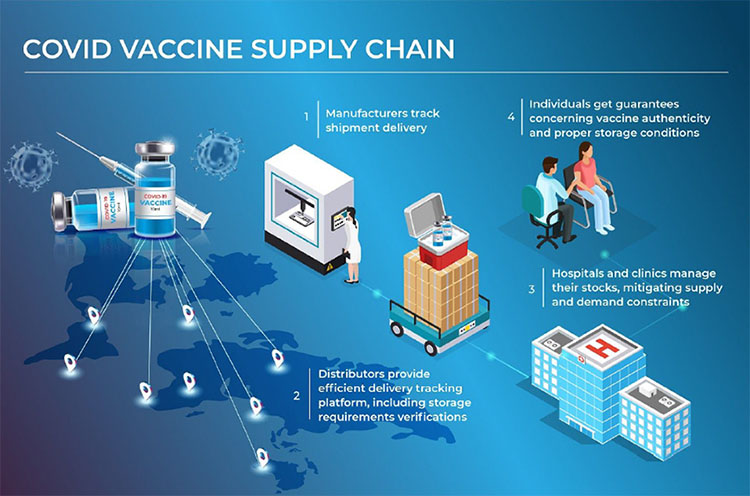
A robust supply chain is essential to meet the dramatic changes of the pharmaceutical industry, and hence digitalization is the key to transformation. As a result, pharmaceutical companies must evaluate their existing supply chain strategies to improve efficiency and ensure optimum product quality. The cornerstone of a multi-enterprise supply chain is a digital business network. Digitalization electronically links all of the supply chain partners across the cloud. It makes it possible for them to work together when pharmaceutical supply chain partners are related and offers end-to-end visibility and an incentive for multiple business interactions to collaborate.
supply chain

How did Covid 19 Pandemic change the dynamics of the Supply Chain?

The covid 19 pandemic has exposed some supply chain deficiencies that must be addressed and corrected for the future. For example, during the lockdown in several countries, the supply of raw materials and APIs were highly affected, resulting in delayed production of finished dosages. Therefore, the industry must not rely on only a few sources of supply to avoid shortages and crises. Today, pharmaceutical companies are vigilant and paying close attention to their suppliers, and maintaining constant contact through digital technologies as a learning lesson.

Conclusion:

The performance of pharmaceutical companies can vary based on the efficiency of supply chain management. Companies have to identify the risks related to the supply chain and prevent them from avoiding business risks. Hence, it is essential to maintain adequate supply chain management in the Pharmaceutical Industry. With a robust mechanism in place, NEWEDGE Overseas undertakes due diligence of the supply chain and manages all due processes with commendable ease of operations. Moreover, our supply chain resilience extends to hard-to-find APIs. Moreover, with tech empowerment and a robust network, we can maintain a speedy supply chain. Kindly contact NEWEDGE Overseas for premium quality services.

Pharmaceutical Industry

5 Latest Trends and Technologies of Pharmaceutical Industry in 2021

The pharmaceutical sector has been witnessing a remarkable transformation in recent years. Unlike other industries, the pharmaceutical industry has its niche for digitalization in research and development, sales and distribution, and other areas. New techniques have significantly increased high quality and low price medicines resulting in the success of the industry.

The Indian pharmaceutical companies have been facing challenges due to the Covid 19 Pandemic such as reliance on raw materials from foreign countries, taxations, market competitiveness, increased regulatory inspection, price controls, etc. However, the time has come to carve the future of Indian Pharmaceutical companies by adapting and following the latest Trends and Technologies of the Pharmaceutical Industry viz.

1. Use of Real World Data

Pharmaceutical Industry
The use of reliable and accurate value data is the prerequisite of the pharmaceutical industry. Hence, Real-world data (RWD) is the industry’s surfacing trend and plays a vital role in healthcare decisions. For example, the USFDA uses real-world data along with real-world evidence to determine a product’s safety and identify adverse events before making regulatory decisions. The product development and approval process function smoothly with the help of RWD. In addition, RWD is used to support pragmatic clinical and large simple trials. Systematic collection of health reports of patients, treatment data, and health status are included in RWD. Mobile phones, computers, biosensors, and wearable devices also collect and store health-related data with advancements in new technology. The analytical proficiency of RWD helps to conduct clinical trials in a better way.

2. Use of Precision Medicine

Pharmaceutical Industry
Precision medicine is one of the most attention-seeking pharmaceutical trends of 2021. As per the CAGR – Report by Market Research Future (MRFR), the market size of precision medicine will be worth USD 126.14 Billion by 2025 at a growth rate of 12.48%. As per the National Library of Medicine, Precision Medicine can be defined as “an emerging approach for disease treatment and prevention that takes into account individual variability in genes, environment, and lifestyle for each person.” Each human body responds to the drugs differently, and hence the idea of precision medicine intervenes. Pharmaceutical companies need to reevaluate their manufacturing practices to incorporate precision medicine as it will require a new regulatory, clinical, economic, and technical structure. Precision medicine gives a contemporary approach to the diagnosis of disease, treatment, and prevention. It supports the setting of dosage forms for patients by taking care of different clinical parameters such as age, sex, human genes, handling of more than one illness, etc.

3. Digitalization and Automation in the Supply Chain

Pharmaceutical Industry
Digitalization and automation in the supply chain are the dire need of companies to increase business in the competitive market. With technological advancements, digital data helps expedite the distribution of products in the market effortlessly. Therefore, to maintain an appropriate supply chain, pharmaceutical companies need a robust digital network. The use of machine learning and artificial intelligence in the supply chain minimizes the overall length of the production cycle, product storage, and distribution. Furthermore, streamlining the supply chain establishes smooth communication between researchers, organizations, and distributors, ultimately resulting in better product efficacy. As a result, many companies have started investing in digital and automatic drug supply chains to increase their efficiency of the business, cost reductions, and, most importantly, patient safety.

4. Use of Artificial Intelligence Technology

Pharmaceutical Industry
Currently, artificial intelligence is playing a pivotal role in the healthcare sector. As per the Grand View Research, “the global artificial intelligence in healthcare market size was valued at USD 6.7 billion in 2020 and is expected to expand at a compound annual growth rate (CAGR) of 41.8% from 2021 to 2028.” With artificial intelligence, drug discovery and development processes are getting accelerated at a significant level in the industry. This technology helps to find molecules for drugs and their development from the initial stage with better adequacy. Moreover, startup companies are using artificial intelligence to assist manufacturing processes, marketing, and post-launch strategies. In addition, artificial intelligence gives a practical approach for patient identification and eligibility for clinical trials. Thus, it makes the process faster and lower in price.

5. Growth in the Contract Manufacturing Organization Market

Pharmaceutical Industry
As per the latest market research, the “global pharmaceutical contract manufacturing market is likely to tread along a healthy growth track over the forecast horizon.” The main reasons for the increasing popularity of contract manufacturing are cost-efficiency and timely delivery of products. In addition to this CMO includes services such as clinical testing, product development, manufacturing of APIs and FDFs, regulatory support, etc. As a result, pharmaceutical companies can utilize their expertise, innovation, and insight to become more successful in the market. Moreover, it benefits the companies with the range of facilities, types of equipment, added drug variations, and meeting of the market demands leading to an improved scale of the business.

Summary:

We have discussed the latest trends and technologies shaping the present and future of the pharmaceutical industry. At NEWEDGE Overseas, with empowered technology and market intelligence, we provide advanced pharmaceutical solutions

Pharmaceutical Industry

Significance of Patents in the Pharmaceutical Industry

Patents in the pharmaceutical industry are significantly crucial to get increased revenues in the commercial market. With tremendous advancements in technology, new drugs are coming into the market rapidly. Drug patents help ensure the safety of the innovation and regain heavy investments for the overall economic growth of the companies. Let us understand the term Drug Patents and the importance of patents in the pharmaceutical industry.

What are Drug Patents?

Pharmaceutical companies go through the development process of a new drug and apply for the patent to gain its exclusivity. When the drug is under patent protection, only the pharmaceutical company that holds the patent can manufacture, market the drug, and eventually profit from it. Patent terms are set by statute. Currently, the term of a new patent is 20 years after filing the patent in the United States. Many other factors can affect the duration of a patent. Other companies can manufacture and sell the drug product after the expiration of the patent period as the generic drug. The brief discussions about the patent and its exclusivity are available on the USFDA website for further insight.

Pharmaceutical Industry

Which are the Types of Pharmaceutical Patents in India?

As per the Indian Patent Law, an invention is patentable if it meets the following requirements.

  • The invention must be new, and it is not a part of any publishing document in India.
  • The patent must be an invention that has both technological advancements and economic growth.
  • The invention that the patent refers to must be capable of industrial utilization.

Pharmaceutical Industry
Classification of patents is described below as per the Guidelines for Examination of Patent Applications.

  • Drug Compound Patents: These patents claim a drug compound as per its chemical structure and are known as Markush type claims. A Markush claim has multiple “functionally equivalent” chemical entities allowed in one or more parts of the drug compound. Drug compound patents provide the broadest protection to the inventor of a drug; these prevent other companies from preparing a similar drug. No one is allowed to produce or sell any formulation involving this drug until the granted patent expires.
  • Synergistic Combination Patents: Drug synergy occurs when two or more drugs interact to magnify or enhance the effects of those drugs. As a result, the companies can obtain patents on new synergistic combinations of the drugs.
  • Technology Patents: These patents are based on the techniques used to solve specific technology-related problems like stabilization, taste masking, increase in solubility, etc.
  • Polymorph Patents: Polymorphs are different physical forms or crystal structures of an already known compound. Polymorphs are usually prepared to reduce impurities or increase the stability of the compounds. These types of patents allow innovative firms to protect the improved versions of their original drugs.
  • Process Patents: A process patent does not claim the product. Instead, it only covers a new and inventive process to produce a particular product.

Why are Patents the most necessary Intellectual Property right?

Patents are the backbone of the pharmaceutical industry among all intellectual property rights. They are the exclusive property rights of the patentee obtained against the invention for 20 years. Patents contribute 70-80% share of the companies’ total revenues in the pharmaceutical sector. Moreover, patents prevent infringement of companies’ products and processes, ultimately giving a competitive advantage in the market. In addition, patents are the vital safeguard of their innovations and to obtain data exclusivity. Thus, companies need a productive intellectual property strategy for solid patent protection.

Pharmaceutical Industry

How are innovations in the Pharmaceutical Industry related to Patents?

Innovation is the main criteria that differentiate research-based companies and generic companies. As a result, pharmaceutical companies invest massively in the innovations, research, and development of new drugs.

Innovation is the driving factor for the success of pharmaceutical drug manufacturers as it provides high returns on investment. In addition, with many risk factors associated with launching a new drug in the market, innovation provides profitability benefits.

Conclusion:

We have discussed the significance of patents in the pharmaceutical industry. After the company gains patent rights, it can transfer the rights through licensing to other companies. Nowadays, many organizations outsource their patents to third parties for increased revenues. At NEWEDGE Overseas, we offer licensing of intellectual properties, patenting of products and processes, facilitating trademark/brand name use, copyrighting of processes and technologies, providing technical advice and assistance, and opportunities to launch differentiated or specialized products.

Pharmaceutical industry in Egypt

Recent Growth of the Pharmaceutical Industry in Egypt

Increased health awareness and expansion of the generic drug sector are the main attributes for the growth of the Pharmaceutical companies in Egypt. With over 120 domestic pharmaceutical companies, Egypt is among the largest producers and consumers of pharmaceuticals in Africa and the Middle East. The pharmaceutical sector in Egypt is one of the oldest strategic sectors in the country. The pharma sector kickstarted in 1939 when the Misr Company for Pharmaceutical Industries “Holdipharma” was established. We shall discuss the recent growth of the pharmaceutical industry in Egypt in detail.

Statistical figures of growth in the Egyptian pharmaceutical market

As per the latest report of Egypt Healthcare, Regulatory and Reimbursement Landscape – CountryFocus, “The Egyptian pharmaceutical market was valued at EGP44.70B ($2.66B) in 2019, which is estimated to increase at a Compound Annual Growth Rate (CAGR) of 8% to EGP56.60B ($3.37B) in 2022. Furthermore, the market value is expected to increase further to $3.94B by 2024.”

Pharmaceutical industry in Egypt

Why are companies investing and exporting more in Egypt?

● As per the Arab Republic of Egypt, “Exports of pharmaceutical Industry reached 391.9 million USD as of FY 2017/2018, compared to 301.4 million USD for FY 2016/2017 with an increase of 30%, which reflects the increase in exports putting Egypt as one of the top exporters in the MENA region.”
● Out of many Arab countries, Egypt has the enormous human resources of professionals and production workers, which helps achieve high-quality standards for products.
● Egypt is taking concrete measures and implementing policies to support drug development, manufacturing, packaging, essential raw materials, chemicals, and sales to achieve market competency.
● The government of Egypt, represented in the ministry of health, has launched a new drug authority (EDA), which helps expedite the growth of the Egyptian pharmaceutical market.
● Egypt is working on reducing reliance on other countries for raw materials and hence aiming to become self-sufficient.
● Followed by the heavy investment by the governing councils of Egypt in the healthcare sector, Egypt positions itself as a regional hub for trading in neighboring countries.

Pharmaceutical industry in Egypt

Effects and challenges in the pharmaceutical sector of Egypt due to Covid 19

The outbreak of the Covid 19 Pandemic has impacted a mass of people, communities, and all the sectors globally as well as Egypt. The Healthcare and pharmaceutical sector in Egypt was affected due to the outbreak of covid cases in the Middle East and North Africa. In addition, both export and import industries and supply chains possess a risk due to the pandemic. Vaccinations in the country are also at a slower pace which interrupts the smooth functioning of the industries.

Conclusion:

With the growing population and government policies support, Egypt has excellent expansion opportunities in the pharmaceutical sector in the coming years. Providing advance pharma solutions across the globe, NEWEDGE Overseas exports a wide range of products to more than 40 countries, representing more than 500+ partnerships in India for our export markets. In addition, we have offices and a robust presence in India, Egypt, Ukraine, Iran, UAE, Colombia, USA, and Germany. So, Kindly contact us for your pharmaceutical needs.

Pharmaceutical industry in Egypt

Pharmaceutical industry in Egypt

anesthetic

7 Best APIs for the Anesthetics Category

Indian Pharmaceutical Companies play a significant role in the manufacturing and distributing of anesthetic APIs in the Asian and global markets. API suppliers in India are emerging successfully with their range and quality of various therapeutic categories of APIs and API intermediates. According to IBEF (India Brand Equity Foundation), in January 2021, the Central government announced to set up three bulk drug parks at the cost of Rs. 14,300 crore (US$ 1,957 million) to manufacture chemical compounds or active pharmaceutical ingredients (APIs) for medicines and reduce imports from China.

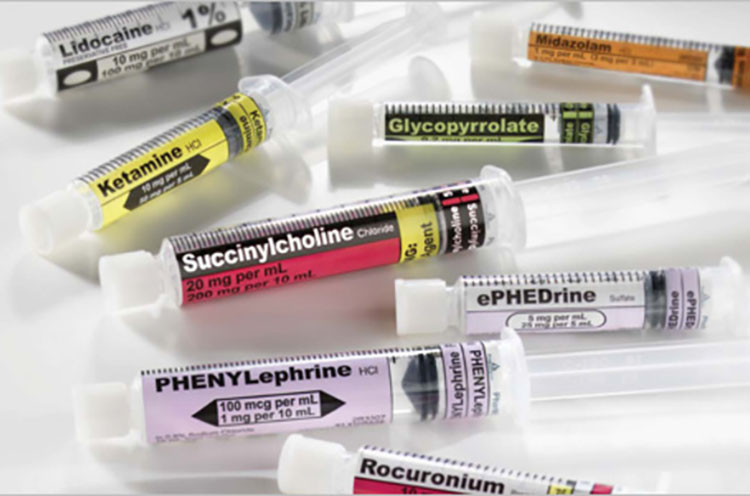
Active Pharmaceutical Ingredient (API) is an essential substance in any medication as it is a biologically active component. APIs are used in capsules, tablets, injectables, and more to produce the intended effects to cure the disease. Out of various APIs, we will discuss the 7 best APIs for the Anesthetics Category here. But firstly, let us understand the term Anesthetics.

anesthetic
What are Anesthetics Drugs?

As per the article of Britannica, Anesthetics Drugs can be defined as any agent that produces a local or general loss of sensation, including pain. Anesthetics achieve this effect by acting on the brain or peripheral nervous system to suppress responses to sensory stimulation. The unresponsive state thus induced is known as anesthesia. It is further subdivided into two categories as General anesthesia and Local anesthesia. General anesthesia involves loss of consciousness, usually to relieve the pain of surgery. Local anesthesia involves loss of sensation in one area of the body by the blockage of conduction in nerves. In simple words, the medication used to induce anesthesia is called an anesthetic.

Sr.No. : 1
Name of API : Lidocaine Base
CAS No. : 137-58-6
Molecular Formula : C14H22N2O
Uses: Lidocaine is a synthetic aminoethylamide with local anesthetic and antiarrhythmic properties. Lidocaine stabilizes the neuronal membrane by binding to and inhibiting voltage-gated sodium channels, thereby inhibiting the ionic fluxes required for the initiation and conduction of impulses and affecting local anesthesia.
For more details, visit https://pubchem.ncbi.nlm.nih.gov/compound/3676

Name of API : Lidocaine HCl
CAS No. : 73-78-9
Molecular Formula : C14H23ClN2O
Uses: Lidocaine HCl is a local anesthetic and cardiac depressant used as an antiarrhythmic agent. Its actions are more intense and its effects more prolonged than those of PROCAINE, but its duration of action is shorter than that of BUPIVACAINE or PRILOCAINE.
For more details, visit https://pubchem.ncbi.nlm.nih.gov/compound/6314

anesthetic

Sr.No. : 2
Name of API : Bupivacaine Base
CAS No. : 38396-39-3
Molecular Formula : C18H28N2O
Uses: The local amide anesthetics are commonly used for pain control during minor surgery or invasive procedures such as biopsies, small excisions, or dental work. These local anesthetics have not been linked to serum enzyme elevations. Still, when given as constant infusions or repeated injections, they have been occasionally mentioned as possible causes of clinically apparent liver injury. For more details, visit https://pubchem.ncbi.nlm.nih.gov/compound/2474

Name of API : Bupivacaine HCl
CAS No. : 18010-40-7
Molecular Formula : C18H29ClN2O
Uses: It is widely used as a local anesthetic agent. For more details, visit https://pubchem.ncbi.nlm.nih.gov/compound/64737


Sr.No. : 3
Name of API : Levobupivacaine Base
CAS No. : 27262-47-1
Molecular Formula : C18H28N2O
Uses: It has a role as a local anesthetic, adrenergic antagonist, amphiphile, etc. For more details, visit https://pubchem.ncbi.nlm.nih.gov/compound/92253

Name of API : Levobupivacaine HCl
CAS No. : 27262-48-2
Molecular Formula : C18H29ClN2O
Uses: Levobupivacaine Hydrochloride is the hydrochloride salt of levobupivacaine, an amide derivative with the anesthetic property. Levobupivacaine reversibly binds voltage-gated sodium channels to modulate ionic flux and prevent the initiation and transmission of nerve impulses (stabilizing neuronal membrane), resulting in analgesia and anesthesia. For more details, visit https://pubchem.ncbi.nlm.nih.gov/compound/117965

anesthetic

Sr.No. : 4
Name of API : Ropivacaine Base
CAS No. : 84057-95-4
Molecular Formula : C17H26N2O
Uses: The local amide anesthetics are commonly used for pain control during minor surgery or invasive procedures such as biopsies, small excisions, or dental work. These local anesthetics have not been linked to serum enzyme elevations. Still, when given as constant infusions or repeated injections, they have been occasionally mentioned as possible causes of clinically apparent liver injury. For more details, visit https://pubchem.ncbi.nlm.nih.gov/compound/175805

Name of API : Ropivacaine HCl
CAS No. : 132112-35-7
Molecular Formula : C17H29ClN2O2
Uses: Ropivacaine HCl is an anilide used as a long-acting local anesthetic. It has a differential blocking effect on sensory and motor neurons. For more details, visit https://pubchem.ncbi.nlm.nih.gov/compound/6918111


Sr.No. : 5
Name of API : Mepivacaine Base
CAS No. : 96-88-8
Molecular Formula : C15H22N2O
Uses: Mepivacaine is used as a local amide-type anesthetic. It acts as a local anesthetic and a drug allergen. For more details, visit https://pubchem.ncbi.nlm.nih.gov/compound/4062

Name of API : Mepivacaine HCL
CAS No. : 1722-62-9
Molecular Formula : C15H23ClN2O
Uses: Mepivacaine hydrochloride is the hydrochloride salt of mepivacaine. It is used as a local anesthetic.

anesthetic

Sr.No. : 6
Name of API : Prilocaine Base
CAS No. : 721-50-6
Molecular Formula : C13H20N2O
Uses:Prilocaine is a toluidine derivative and intermediate-acting amino amide with the local anesthetic property. For more details, visit https://pubchem.ncbi.nlm.nih.gov/compound/4906

Name of API : Prilocaine HCl
CAS No. : 1786-81-8
Molecular Formula : C13H21ClN2O
Uses: Prilocaine HCl is a local anesthetic that is similar pharmacologically to LIDOCAINE. Currently, it is used most often for infiltration anesthesia in dentistry. For more details, visit https://pubchem.ncbi.nlm.nih.gov/compound/92163


Sr.No. : 7
Name of API : Benzocaine HCl
CAS No. : 23239-88-5, 105931-72-4
Molecular Formula : C9H12ClNO2
Uses: Benzocaine HCl is a surface anesthetic that prevents the transmission of impulses along nerve fibers and at nerve endings. For more details, visit https://pubchem.ncbi.nlm.nih.gov/compound/10214462


NEWEDGE Overseas has a robust 2000+ Active Pharmaceutical Ingredients portfolio that includes many hard-to-find APIs, consolidated over a decade. Kindly contact us for your requirements for APIs.

Quality Management

Adopting Best Practices for Quality Management is Essential for Indian Pharmaceutical Companies

Implementation of quality management services is becoming mandatory in many industries, but following best practices for quality management in the pharmaceutical industry is essential. When it comes to the pharmaceutical industry, the patient’s health is directly concerned.

Therefore, it is crucial to follow quality standards from the initial manufacturing stages to the final product delivery. Quality management runs on defined processes and procedures, which provides a structure to the organization and improves the efficiency and services of pharmaceutical companies.

Although purchasing software and implementing quality management is an extensive and expensive process, the Indian pharmaceutical companies need to adopt quality management services for long-term benefits and stay updated with the guidelines to comply with the FDA, ISO, EMA, etc.

Boons of following QMS (Quality Management Services):

Quality Management

Increasing Cost-effectiveness

QMS gives a systematic approach and gap analysis to handling issues and enhances product quality, productivity, and profits. Completing work in a stipulated time frame is the primary goal of any company, and here, Quality Management Services play a pivotal role in fulfilling this requirement. With advanced QMS, chances of rework, errors are mainly nullified, resulting in no wastage and thus saving money.

Minimizing errors

Companies can mitigate risks and minimize errors by implementing QMS. With advanced QMS, employee roles and responsibilities are identified precisely, resulting in constructive communication. Moreover, step-by-step analysis prevents mistakes in project completion.

Prioritizing Customer Satisfaction

Pharmaceutical companies are serving for the betterment of humans, and hence customer satisfaction is on top priority for them. For increased sales and profits, customer feedback on quality is essential. QMS gives an advantage of delivering high-quality products to customers and satisfying the business needs of the company.

Ease of Management provides Superior Quality Standards:

Quality Management
An efficient QMS gives management control over the following:
1) Documents
2) CAPA (Corrective and Preventive Actions)
3) Training systems
4) Audits
5) Risks

Moreover, QMS encourages to stay constantly updated with the latest technologies and implementation of quality standards.

Employee Involvement

With the help of QMS, employees can sufficiently manage multiple products and procedures. In addition, employee training on the QMS allows for reducing errors and wastage. QMS helps channelize employees from top management to the base level and clarifies work, resulting in increased work efficiency.

Repercussions of not following Quality Management practices:

The quality management system is expensive but at the same time creditable factor for the pharmaceutical company. Noncompliance with QMS can lead to significant risks and fallout and even a roadblock for receiving an ISO certificate. Entire product life cycle and procedures can face challenges if QMS is not followed correctly and can result in the following inconsistencies:

Quality Management
1) Loss of management over documents: Documentation in the pharmaceutical industry is an integral part of the processes involved. Without QMS document development, review, and approval procedures lose their accountability and control over the product quality.

2) Compromise on customer satisfaction: If the company does not follow QMS, it will likely lose a competitive advantage due to quality issues.

3) Obstructs opportunities for business expansion: Most companies use QMS in their daily operations, so they require their suppliers to follow the same. If the companies do not follow QMS, they limit their future contracts and growth in the market.

4) Wastage of resources: Manual procedures lack refinement and include more human errors, limiting the continuous improvement process. Employee coordination also remains ineffective, with deficient QMS resulting in less productivity.

Conclusion:

We have discussed the advantages of QMS and the repercussions of not following QMS in detail. To summarize, QMS helps achieve business goals, overcome issues, and focus on quality and customers. With a series of regulatory compliances in place at NEWEDGE Overseas, we take over the responsibility of quality management for our clients.

With processes in place for guidelines and regulation tracking, we fulfill this responsibility and ensure that the process becomes seamless and cooperative for our clients. Our promise of quality extends itself to accommodate the promise of timely delivery and cost-effectiveness.

Quality Management

API supplier

Five Tips to Choose a Standard API Supplier

API supplier is an integral part of the pharmaceutical industry and so does the API (Active Pharmaceutical Ingredients) for manufacturing safe and effective drugs. However, only a limited number of companies have their API manufacturing facilities for their finished products.

Therefore, in the current scenario, many companies rely on API suppliers rather than in-house raw material manufacturing. Pharmaceutical companies are enhancing their productivity by taking help from API suppliers. Therefore, pharmaceutical companies in India must be vigilant while getting in association with an API supplier.

Following are five tips on selecting a standard API supplier for your company.

1) Check the Track Record of the Supplier

It is evident to run a meticulous background check on the API supplier to get high-quality APIs. Furthermore, procuring APIs should involve strategic planning and exhaustive research. The pharmaceutical companies can ask the following questions to the supplier:

• What is their current stand and reputation in the market?
• What are their financial capabilities and annual turnover?
• What is the entire range of their products?
• What are their production capabilities and unique qualities?
• What are their current business practices?
• Who are their past and present clientele?
• What are the reviews of the supplier’s clients?
• Which are their achievements in the field of API manufacturing?
• What practices do they follow to stay with regulatory compliance?
API supplier

2) Assure Quality Parameters of the Supplier

Quality is of the utmost importance while choosing an API supplier. A reputed API supplier should have all parameters of quality checks in place from the manufacturing to final delivery. In addition, the supplier should check all raw materials, intermediates, packaging, and labeling materials in a standardized manner.

Moreover, API suppliers should have an efficient supply chain to safely, securely, and timely deliver the products. The supplier should follow documentation practices, have details on DMF as per WHO guidance, storage, and stability checks of the API. Along with these parameters, the supplier should maintain client confidentiality as well.

Companies can sign an agreement for the confidentiality and responsibilities of the API suppliers for quality products.
API supplier

3) Check whether the supplier complies with regulations or not

API supplier’s reputation in the market and with the regulatory agencies affects procuring the company’s image in some or other way. Therefore, API suppliers must fully comply with the regulatory requirements of cGMP (current good manufacturing practices) guidelines, published on FDA, EMA, ICH, and other regulatory agency websites.

In addition, pharmaceutical companies should check the readiness of the supplier company for their quality checks on data integrity systems as well. Moreover, suppliers should be ready with their complete, organized, and appropriate documents on DMFs already filed with the Agency.

4) Take account of costing

For any pharmaceutical company, managing finance is a crucial factor. Hence, taking account of costing is essential while selecting the API supplier. For the long-term benefits of a relationship, a standard API supplier should be efficient and cost-effective.

Therefore, it is advisable to get quotations from several companies before choosing one supplier for your company. However, sometimes, the suppliers offer specific APIs at meager prices; in such cases, companies should check their history of warning letters and the quality of products.

Low prices of APIs may result in the downfall of the final product and the company in longer terms. Hence to prevent additional costs and significant shortfalls, the company should consider and discuss various factors with the supplier company as mentioned below.

• Sensible API cost
• Standards of their raw materials
• Customer services
• The global reach of their API
• Storage, warehouse facility
• International logistics facility
• Excise
• Custom duties
• Sales services
• Insurance costs
• Development costs
• Shipping charges
• Compliance with regulatory agencies
• Co-operation throughout the project cycle
• Other fees
API supplier

5) Promptness of the company for resolving issues

Trustworthy suppliers are those who ensure their API meets the current standards and regulatory requirements. In addition, companies need support from the suppliers for queries related to ANDA for approval. The prompt and proper response from the supplier company helps to resolve issues effectively and timely.

Conclusion:

In this fast-changing and competitive industry, it is crucial to connect with an established API supplier by conducting in-depth research, as discussed above. At NEWEDGE Overseas, we have a robust 2000+ Active Pharmaceutical Ingredients portfolio that includes many hard-to-find APIs, consolidated over a decade. Kindly contact us for your API requirements.

nutraceuticals product

Why has the Demand for Nutraceuticals Rapidly Increased in the Indian Market?

The latest trends and research show that the Indian market for nutraceuticals product is expected to grow from $ 4 billion in 2017 to $ 18 billion in 2025. Proven health benefits to humankind have created a tremendous rise in the demand for Nutraceuticals in India and across the globe. Although Nutraceuticals is a foreign-origin word, it is an ancient science to the Indian culture. India has many herbal medicines and supplements discovered and used in Ayurveda, Naturopathy, and other sciences.

Therefore, India has emerged as a preferred supplier in many export Nutraceuticals markets because of its superior heritage, knowledge, and availability of raw materials and herbal extract manufacturers. Over the years, there have been several factors behind the increase in the demand for the Nutraceuticals market in India but let us understand the term first.

nutraceuticals product

What are Nutraceuticals?

The term Nutraceutical was coined in 1989 by Stephen De Felice, founder, and chairman of the Foundation for Innovation in Medicine. This American organization encourages medical health research. He defined nutraceuticals as food, or parts of food, that provide medical or health benefits, including prevention and treatment of diseases from the terms nutrition and pharmaceutical.

In simple words, nutraceutical food is any food that offers more than just nutrition to a person. But, alas, there is no globally accepted definition of Nutraceutical, and hence their names vary from country to country. However, they are subdivided into different categories such as functional food, beverages, dietary supplements, pre and probiotics, antioxidants, vitamins, spices, etc.

Difference between Pharmaceuticals and Nutraceuticals

Nutraceutical term has been derived from nutrition which is generally made from plants or animals and used to provide the physiological benefit in protecting or treating the disease. The pharmaceutical word is related to pharma, which indicates drugs used to prevent or treat a specific illness. Both Nutraceuticals and Pharmaceuticals are somehow part of our daily routine, but they vary in their origins.
nutraceuticals product

Health benefits of Nutraceuticals:

In recent years, Nutraceuticals are gaining popularity to prevent health issues and pharmaceuticals. Many companies are also gathering research-based data to get hold of the market. Nutraceuticals have requisite nutritional values, multiple therapeutic effects, safety parameters and hence are considered convenient options for boosting and enriching the nutrition levels. As a result:

  • Nutraceuticals are used to prevent and treat chronic diseases like cardiovascular diseases, cancer, obesity, diabetes, etc.
  • Some Nutraceuticals like vitamin C, vitamin E, and fatty acids improve eye health and help treat visual disorders.
  • Amino acids, vitamin D, herbs, plant extracts are used as immunity boosters to prevent diseases.
  • Prebiotics, probiotics, aloe vera, omega acids are used to cure inflammation and reduce harmful bacterial effects.
  • Many Nutraceuticals play a pivotal role in helping infertility and dysfunction in males and females.
  • Sports medicines are also adding Nutraceuticals to improve performance and reduce oxidative stress.
  • Citrus fruits and soybeans like Nutraceuticals help renew healthier cells and help recover the body quickly from diseases.
  • Improves mental and physical health
  • Improve sleep and rejuvenate energy

nutraceuticals product

Reasons for endorsing Nutraceuticals:

• Increase in Chronic Diseases:

People of developing countries face issues in handling chronic diseases like cancer, diabetes, heart, and lung functioning issues, obesities, allergies, etc. Because of the tremendous health benefits of Nutraceuticals in treating these diseases, their demand has increased across the globe.

• Cost-effectiveness and Convenience:

Medical treatments are nowadays costly, and some patients are looking for alternatives to prescribed drugs because of their elevated prices and side effects. Being a natural alternative, Nutraceuticals are beneficial for them as they are readily available in the market. Moreover, they are cost-effective because of their ready availability.

• Effects of Covid 19 Pandemic:

The significance of immunity has immensely increased due to the Covid-19 pandemic. Therefore, precautions and preventive care are often highlighted, and hence Nutraceuticals get promoted. Furthermore, vitamins are considered vital nutrients for the proper functioning of the human body, and the pandemic has created awareness amongst people about nutritional enrichment. These factors have consequently increased the Nutraceutical market across the globe.

Conclusion:

We have discussed here reasons for significant growth in the Nutraceuticals industry in the Indian market. Nutraceuticals are a vital link between food and health and a perfect solution for consuming essential nutrients lacking in the regular diet and lifestyle choices. At NEWEDGE Overseas, we provide contract manufacturing, branding, packaging, and labeling of nutraceuticals. Kindly contact us for various standard and made-to-order nutraceuticals that are in demand due to their additional therapeutic value.
What are Nutraceuticals?

nutraceuticals product

nutraceuticals product

nutraceuticals product

Difference between Pharmaceuticals and Nutraceuticals

Health benefits of Nutraceuticals:

Reasons for endorsing Nutraceuticals:

Conclusion:

Increase in Chronic Diseases:

Cost-effectiveness and Convenience:

Effects of Covid 19 Pandemic:

nutraceuticals product

nutraceuticals product

nutraceuticals product

Pharmaceutical Industry

Three Reasons why Packaging and Labeling should not be Underestimated in the Pharmaceutical Industry?

Packaging and labeling are critical components irrespective of any industry for their products, but the Pharmaceutical industry has its niche for this. It does not just help in showcasing the product on the shelf that looks exquisite but is also directly involved with the health and safety of patients. Moreover, both packaging and labeling must comply with the regulatory agency requirements such as 21 CFR, 211.130, 211.122, and 211.137, etc. With increased demands, evolving drug products, and technological advancements, pharmaceutical packaging and labeling must also emerge to accommodate changes. Let us first understand the primary goals of packaging and labeling in the pharmaceutical industry.

The primary goal is to safely dispatch a company’s products to customers who are 100% compliant with the industry’s rules and regulations.

Packaging:

The packaging describes the product from the manufacturing stage to the final use. It protects the product from physical and biological damage, contains detailed information and identification, and maintains its quality in extreme temperature conditions.

Labeling:

Labeling the product gives precise information on the product’s name, the quantity of active and inactive ingredients, how to use the product, warnings associated with the product, reactions to the drug, drug facts table, and more.
Pharmaceutical Industry

Advantages of Appropriate Packaging and Labeling:

Pharmaceutical products are essential for public health. Hence, for uncomplicated management of the products from the target audience perspective, pharmaceutical companies should not underestimate the packaging and labeling of drug products. Understanding the packaging and labeling process and outlining details on the product provides an advantage to the companies in successfully reaching the target audience. Following are some advantages of appropriate packaging and labeling.

1. Better Communication:

Distinguishable and easy-to-read information of the product attracts the customers and reduces fatality chances. Details of quantity and intervals of the medication help patients during the treatment.
2.Protection from adverse effects/ emergencies:

With accurate labeling, patients can spot warnings and side effects hence decreasing the medical emergencies. The new packaging standards also incorporate information on the safety of drugs for children or senior citizens.


Pharmaceutical Industry

Consequences of Poor Packaging and Labeling Practices:

There are specific and detailed regulatory guidelines on packaging and labeling products in pharmaceutical industries been outlined by the industry regulatory bodies. When companies fail to provide the requisite information and do not emphasize the details, it can cause tremendous loss and fatalities. In addition, manufacturers and distributors are at massive risk if they do not follow best practices. Here are some potential risks that companies may face if they do not comply with regulatory packaging and labeling standards:

1) Puts customers at risk:

Inappropriately dispensed drugs potentially harm consumers and risk their lives. In addition, if packaging and labeling fail to provide adequate information, there can be long-term health issues or even unintended side effects. Therefore, companies should take account of every minute detail of the packaging and labeling from the initial manufacturing stage itself. One simple error in the final design can prove detrimental to the health of the patients.

2) Puts reputation of the company at stake:

It takes years of dedication and an immense amount of hard work to build a company’s reputation in the market through quality products. However, improper packaging and labeling may result in a loss of consumer trust and cause significant harm to the brand image. Therefore, it becomes an almost irreversible task to overcome consumers’ trust in the market once the medication fails to meet standards. Alternatively, the company can take all necessary precautions of packaging and labeling to protect their brand and customers.

3) The cost of noncompliance is hefty:

Pharmaceutical companies are dealing with bulk products across various organizations and even countries. Moreover, companies deal with thousands of people, demanding appropriate communication between departments and process evaluations. The volume of the products, more people, and complexity of the process increase errors. One error in the packaging or labeling that harms the consumers can lead to product recalling of the entire batch. Inaccuracy in compliance with packaging and labeling regulations can subject your company to heavy penalties and litigation. Corrections in the labeling cause additional time and cost if companies want to continue their product in the market. However, keeping in mind the considerable cost of a company recall and lawsuits, companies should double-check all the accuracy standards of packaging and labeling before the product’s commercial launch.

Pharmaceutical Industry

Summary:

With the new and better products, packaging and labeling are also evolving to meet modern requirements in the pharmaceutical industry. Therefore, companies have to willingly consider the gap analysis and ensure careful packaging and labeling of their products for the success of their business. Our services at NEWEDGE Overseas include:

  • Packaging and labeling in a temperature and humidity controlled environment
  • Mass-packaging
  • Designing and branding services
  • Packaging regulatory control
  • Flexible packaging

We are equipped with the necessary tools and an advanced facility to manage complete control over the products’ quality, efficacy, and longevity.

Pharmaceutical Industry

Pharmaceutical Industry

Indian pharmaceutical companies

A New Era Of Indian Pharmaceutical Companies With In-out Licensing Opportunities

In-Out licensing is a relatively new term for the pharmaceutical industry. However, it is gaining popularity because of the associated benefits in the local and global market. As a result, many Indian pharmaceutical companies have turned towards in-out-licensing and are looking to cash in on prevailing global conditions to accelerate their growth. Here, we will discuss this phenomenon in detail to understand the pros and cons of these licensing types.

Understanding of the terms: In-licensing and Out-licensing

What is In-licensing:

In-licensing creates a contract that allows one firm to provide capital to another firm for the development and launch process, thus shouldering the financial responsibility. This process is a boon for small biopharma start-ups as it helps get their drug off the ground.

What is Out-licensing:

Out–licensing is more focused on opening up the delivery pipeline to assist you with getting your drug “out the door”. Out-licensing is about finding a partnership that will help identify your target market and assist you in getting your product into the right hands. This process may also include working with marketing firms or legal firms.

Indian pharmaceutical companies

Challenges and Risks associated with licensing:

Although it gives an excellent opportunity for the companies to expand their business through licensing, it is critical to understand the need of the market and the clinical profile of the drugs and risks associated with licensing. Two parties are sharing profits in these cases, and hence licensing may be less profitable in some cases. Licensee can sell a similar product to other companies once the contract agreement is over or enter the market on its own as a competitor. After licensing, the company’s performance also depends on various factors such as their speed, uncertainties, working pattern differences, financial stability etc.

Out-licensing or licensing agreements put the licensor, innovator, or seller at risk of losing complete or partial rights to the intellectual property, poor marketing strategy and execution, IP theft, and many others.

Critical considerations for choosing the right partner for licensing:

Following are some important considerations for choosing the right partner for licensing.

Indian Pharmaceutical Companies in a new era

Understanding the needs:

The company needs to understand the needs of licensing, such as
“Are they looking forward to the latest technologies?”
“Are they interested to see the product at a certain level of development?”
Once these questions are adequately understood, then the company negotiations become easy. After that, they can present their expectations to the licensing companies smoothly.

Communication Management:

There will be many contact points between the partnering companies, so it is vital to establish a safe and secure communication channel. Any confusion in the communication may lead to the delay of the processes involved and affect the product development.

Focusing on the business agreements:

Licensing is a long-term agreement. Hence, it is essential that the license agreement clearly defines the rights and responsibilities of the parties so that one can resolve any future disagreements quickly and efficiently. It is also about how much information transfer will be there between both parties. Therefore, instead of just signing the deal, look at all the dynamics and choose a trustworthy, cooperative and helpful partner.

Advantages of In-licensing:

When the company invests in new drug development, the cost is very high, and data production is a tedious process for a new drug. In contrast, in-licensing is beneficial for cost reduction, and the risk involved is less because of promising clinical results. Moreover, licenses allow drug companies to purchase the rights for experimental drugs without taking on another company’s baggage, including unwanted technologies resulting in significant appeal for pharmaceutical industries for in-licensing.

Advantages of Out-licensing:

Even with good marketing strategies, not all companies reach out to their potential customers. Pharmaceutical companies can use Out-licensing to their advantage to reach out to the extensive market and gain desired profit. In addition, licensors reduce the financial burden of manufacturing, production, or commercialisation of patents and create a source of passive income and revenue through Out-licensing. Thus, it is beneficial for both parties.

Indian pharmaceutical companies

Why is a paradigm shift necessary for licensing of products and facilities?

In light of the industry changes, pharmaceutical companies should change their mindset and reconsider their investment plans to explore vast opportunities for licensing.
Sometimes, the company needs additional resources to conduct research and development and their established business to enter a new market. Hence, in-licensing can help companies with their innovation and clinical studies for their growth.
Out-licensing is helpful to get the product into the right hands and engage companies for effective marketing strategies. Moreover, it gives access to technologies to reach the market faster for the new products.

Conclusion:

In recent years, In-Out licensing has gained much popularity, and the Indian pharmaceutical companies have realised that licensing is one of the ways forward. Licensing is associated with boons more than banes, but companies entering into such an agreement should consider all aspects discussed here to avoid future risks.